
Cooling Guides
Evaporative Cooler Winter Shutdown: How to Prepare Your Cooler for Winter
Nov
An evaporative cooler winter shutdown takes about an hour and saves you problems next summer. When the cooling season ends, the water left in the tank, the open ceiling vents and the pads all need a little attention. This guide covers what to do before winter on Breezair, Braemar, Coolair, Bonaire, Celair, Brivis and CoolBreeze roof-mounted coolers, which parts to check while the cooler is off, and how to stop warm air escaping through the ceiling vents.
Ready to order? Shop evaporative cooler parts by brand, or see the parts to check before winter below.
Safety first: work on the roof and anything inside the cooler or its control box is a job for a licensed electrician or a qualified evaporative cooler technician. The steps marked “you can do” need no roof access and no tools.
When to shut your evaporative cooler down for winter
Do it once the hot days are clearly over, usually around April or May in most of southern Australia. In warmer areas you may keep using the cooler longer. There is no benefit in shutting down early: a cooler that sits full of water for weeks grows algae and scale, so either keep using it or shut it down properly.
Evaporative cooler winter shutdown checklist
- Run a last cool cycle and note any faults (you can do). Listen for noisy motors or pumps, look for dry patches on the pads and water dripping from the ceiling vents. It is much easier to order parts now than in the first heatwave.
- Turn the cooler off at the wall controller (you can do). Coolers with an automatic drain valve or dump valve empty the tank by themselves after they stop. Give the cooler time to finish this. On Brivis Contour coolers the ServoSeal damper closes and the tank flushes about an hour after the cooler is turned off.
- Turn off the water supply. Close the isolation tap on the water line to the cooler. This stops a worn float valve or solenoid valve from leaking water all winter. In frosty areas such as Canberra, the Blue Mountains or central Victoria, ask your technician whether the water line should also be drained.
- Check the tank is empty (technician). If water is still sitting in the tank, the drain valve or dump valve may be stuck. Older Seeley coolers with a bleed funnel instead of a drain valve need the tank drained by hand and the bleed funnel removed for winter. Keep its O-ring for next season.
- Turn the power off at the isolating switch inside the cooler (technician). Only do this after the cooler has drained and any damper has closed.
- Clean the tank, pump filter and water probe (technician). With the pad frames removed, wipe out sludge and scale, rinse the pump inlet filter and clean the water level or salinity probe. Clear the water distribution channels under the lid.
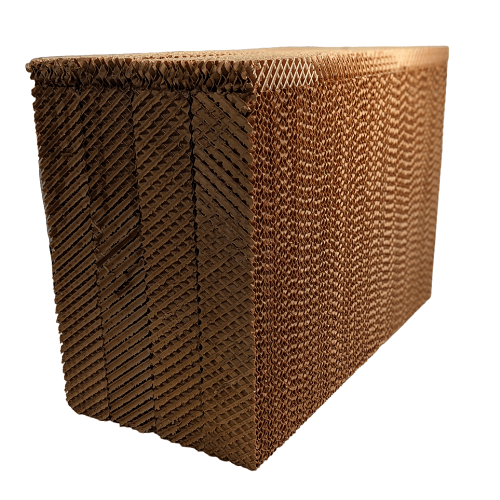
- Look at the pads. Gently rinse dust off the pad frames. Do not use a high-pressure spray. Pads crusted with salt or scale, or crumbling, should be replaced before summer, not in it.
- Refit the pad frames. Leaving the frames in place keeps birds, leaves and vermin out of the cooler over winter.
- Close the ceiling vents and fit vent covers (you can do). See below.
Stop heat escaping through the ceiling vents
In winter, warm air from your heater rises into the cooler’s ceiling outlets and is lost through the ductwork. Closing the louvres helps, but they do not seal tightly. Sustainability Victoria recommends fitting a cover over each ceiling outlet in winter to stop air leaking through the louvres. Choose a cover that suits the type and size of your outlets. If you have an open-flued gas heater or other gas appliance inside, check that the room keeps the ventilation it needs before sealing anything.
Brivis Contour coolers have a motorised ServoSeal damper that closes the duct when the cooler is off. If cold draughts come down the ducts in winter, the damper may not be closing. The Brivis damper motor assembly (B023973) is the usual part to replace.
Do you need a roof winter cover?
A fitted winter cover over the roof unit adds another layer against draughts, dust and weather. It is optional: many owners rely on ceiling vent covers and a closing damper instead. If you do use a roof cover, it must be the right size, tied down well against strong winds, and removed before the cooler is used again. Never run the cooler with a cover on.
Brand notes
| Brand | How the tank empties | What to check before winter |
|---|---|---|
| Breezair, Braemar, Coolair | Automatic drain valve on most models; older coolers may have a bleed funnel | Tank empties after shutdown; drain valve opens and closes cleanly. See Breezair spare parts guide |
| Bonaire, Celair | Dump valve or Aquamiser drain valve | Dump valve washer and Aquamiser seal not leaking. See Bonaire parts guide |
| Brivis | Automatic flush and drain after shutdown | ServoSeal damper closes; tank empties. See Brivis parts guide |
| CoolBreeze | Drain valve (counterweight or solenoid type, depending on age) | Drain valve not stuck. See CoolBreeze parts guide |
Parts to check before winter
Winter is the quiet time to replace worn parts at a relaxed pace, before the summer rush. These are the parts most often found faulty at shutdown:
| What you found | Part | Part no. |
|---|---|---|
| Breezair tank does not empty | Breezair / Braemar drain valve 24VAC | 105345 |
| Braemar 12V drain valve stuck | Braemar drain valve 12VDC | 116389 |
| Bonaire tank leaking or not holding water | Bonaire dump valve with washer | 6001336SP |
| Bonaire Aquamiser leaking | Aquamiser valve seal MK2 or Aquamiser drain valve | 6050197SP / 6051658SP |
| Water keeps running with the cooler off | Breezair / Braemar / Coolair solenoid valve or float valve | 834320 / 901114 |
| Cold draughts from Brivis ducts | Brivis damper motor assembly | B023973 |
| Weak or noisy pump | Breezair Tornado pump, Bonaire JRM38 pump, Brivis Askoll pump | 095806 / 6050812SP / B017245 |
| Salt-crusted or crumbling pads | Breezair, Bonaire or Brivis filter pads | By model |
For more detail, see the drain valve guide, the float valve and solenoid guide, the pump guide and the pads replacement guide.
Water dripping from the cooler in winter?
If water runs from the roof or the cooler’s drain line while the cooler is off, the water supply is usually still on and a float valve or solenoid valve is letting water through. Turn off the isolation tap and see our guide to an evaporative cooler leaking water.
Starting up again in spring
Before the first hot day, remove any vent and roof covers, turn the water and power back on, and run through our pre-summer evaporative cooler service checklist.
Evaporative cooler winter FAQ
Should I drain my evaporative cooler for winter?
Yes. Most modern Breezair, Braemar, Coolair, Bonaire and Brivis coolers drain the tank automatically after they are turned off. Make sure it actually empties. Older coolers with a bleed funnel need to be drained by hand. Standing water over winter leads to algae, scale and corrosion.
Should I turn my evaporative cooler off at the power in winter?
Turn off the water first and let the cooler finish draining (and, on Brivis, let the damper close). After that, a technician can switch the cooler off at its isolating switch for winter. Remember to turn it back on before summer.
Do I need a winter cover for my evaporative cooler?
Ceiling vent covers make the biggest difference because they stop heated air escaping through the louvres. A roof winter cover is optional and must be well secured and removed before the cooler is used.
Should I take the pads out over winter?
No. Clean them gently and refit the pad frames so the cooler stays closed to birds, leaves and pests. Replace pads that are salt-crusted or falling apart before summer.
Do you ship evaporative cooler parts Australia-wide?
Yes. HotnCool sends evaporative cooler parts to Adelaide, Melbourne, Sydney, Brisbane, Perth, Canberra, Hobart, Darwin and regional areas, and usually dispatches within 24 hours.
