
Cooling Guides
Evaporative Cooler Motor Guide: 2-Speed, Variable-Speed and Direct-Drive Motors Explained
Sep
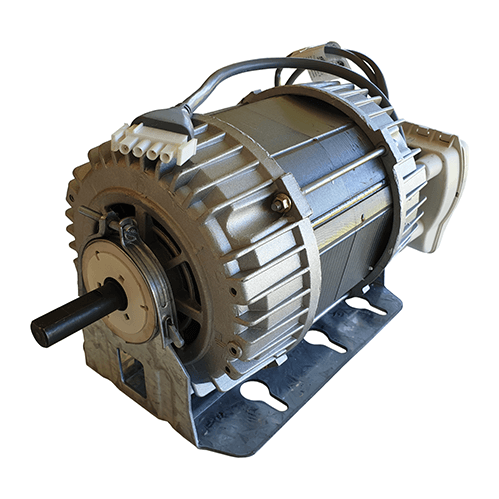
The evaporative cooler motor drives the fan that pulls outside air through the wet pads and pushes cool air into your home. If the fan won’t start, runs slowly, hums or makes a grinding noise, the motor (or a part connected to it, such as the capacitor or fan collet) is the likely cause. This guide explains the main motor types, the signs of a failing motor, what to check first, and how to find the right replacement.
Types of evaporative cooler motor
The motor your cooler uses depends on the brand, model and age of the unit. The main types are:
- 2-speed motors – run at a set low and high speed. Common in older and simpler Breezair and Braemar models, such as the Breezair 1500W 2 speed motor (095097).
- Variable-speed motors – allow a range of fan speeds from the controller. Examples include the Breezair 1500W variable speed motor (095349) and Bonaire variable speed fan motors.
- Direct-drive (Icon) motors – newer Breezair coolers use direct-drive Icon motors controlled electronically, such as the 1500W direct drive Icon motor (095967) and 1100W Icon motor (095950).
- Belt-drive set-ups – some Braemar and industrial coolers drive the fan through pulleys and a belt, so worn motor pulleys or belts can cause noise and poor airflow even when the motor is fine.
Motor wattage matters too. Replacement motors should match the wattage and speed type of the original, because the motor is matched to the cooler’s fan size and control system.
Signs your evaporative cooler motor is failing
- The fan doesn’t start, or needs a push to get going.
- The motor hums but the fan doesn’t turn.
- Airflow is weaker than usual or the fan runs slowly on all speeds.
- Grinding, squealing or rattling noises (often worn bearings).
- The motor gets very hot, trips the circuit breaker or smells of burning.
- Only some speeds work, or the controller shows a fan-related fault.
Check the motor capacitor first
Many evaporative cooler motors use a motor capacitor to help them start and run. When the capacitor fails, the motor often hums but won’t start, or starts slowly. A capacitor is far cheaper than a new motor, so it’s worth having a technician test it first. Examples include the Bonaire 15uF capacitor (0160185SP), the Bonaire 25uF capacitor, and CoolBreeze capacitor kits for 600W motors (SP3039) and 750W and 1000W motors (SP3040). Capacitors can hold a charge even with the power off, so testing and replacing them is a job for a qualified technician.
Other things to check before replacing the motor
- Fan collet: the collet locks the fan to the motor shaft. A worn or loose collet can make the fan slip or wobble. See the Bonaire 1/2″ fan collet and CoolBreeze fan collet (SP6043).
- Controller and control box: if the fan won’t run at any speed, the wall controller or control box may not be sending power to the motor. Our wall controller replacement guide covers this.
- Obstructions: debris, a damaged fan or a seized fan housing can stop the motor turning.
Replacement evaporative cooler motors by brand
Breezair motor and Braemar motors
We stock Breezair 2-speed, variable-speed and Icon direct-drive motors from 500W to 1500W, plus Braemar motors such as the Braemar 950W motor (095714) and the Braemar/Coolair 600W motor kit (095707). Match the Seeley part number on your old motor. See Breezair and Braemar cooler motors.
Bonaire fan motor
Bonaire and Celair coolers commonly use variable-speed fan motors in 600W (6051655SP), 750W (6051675SP) and 950W (6051685SP) sizes. See Bonaire cooler motors.
Brivis motor
Brivis motors include the S4 750W motor (81064588), S3 750W motor, S3 315W motor and S4+ 1000W motor. See Brivis cooler motors.
CoolBreeze motors
CoolBreeze motors come with a capacitor in 600W (SP6012), 750W (SP6014) and 1000W (SP6015) sizes. See CoolBreeze cooler motors.
How to find the right replacement motor
- Find your cooler’s brand and model on its compliance label.
- Read the label on the old motor for the part number, wattage and speed type.
- Compare those details with the fitment on the product page.
- If the label is unreadable, send us your cooler model number and photos of the motor and we’ll help you match it.
Quick fault finder
- Hums but won’t start: capacitor, seized bearings or a jammed fan.
- Runs slowly or weak airflow: capacitor, worn motor, slipping collet or belt, or clogged pads (see our evaporative cooler pads guide).
- Noisy: worn motor bearings, loose fan or worn pulleys.
- Won’t run at all: power supply, controller, control box or motor.
- Fan runs but air is warm: not a motor problem; check the pump (see our evaporative cooler pump guide).
Safety first
Cooler motors run on 240V and are usually on the roof. Motor and capacitor replacement must be done by a qualified technician or licensed electrician with the power isolated. Never touch capacitor terminals, as they can hold a charge.
Frequently asked questions
How do I know if my evaporative cooler motor is bad?
Common signs are humming without the fan turning, grinding noises, weak airflow on all speeds, or the motor overheating. Have the capacitor checked first, as it is a common cause.
Can I replace a 2-speed motor with a variable-speed motor?
Not usually. The motor has to suit your cooler’s control system, so replace like for like unless the manufacturer lists an alternative.
What does a cooler fan motor replacement involve?
The technician isolates power, removes the fan and old motor, fits the new motor with the correct collet or pulley, reconnects the wiring and tests all speeds.
Is a bigger motor better?
No. Fit the wattage your cooler was designed for. A different motor can overload the controls or change the airflow the cooler was designed for.
Need help finding the right evaporative cooler motor? Contact HotnCool with your cooler’s brand and model number and the details from the old motor’s label.
